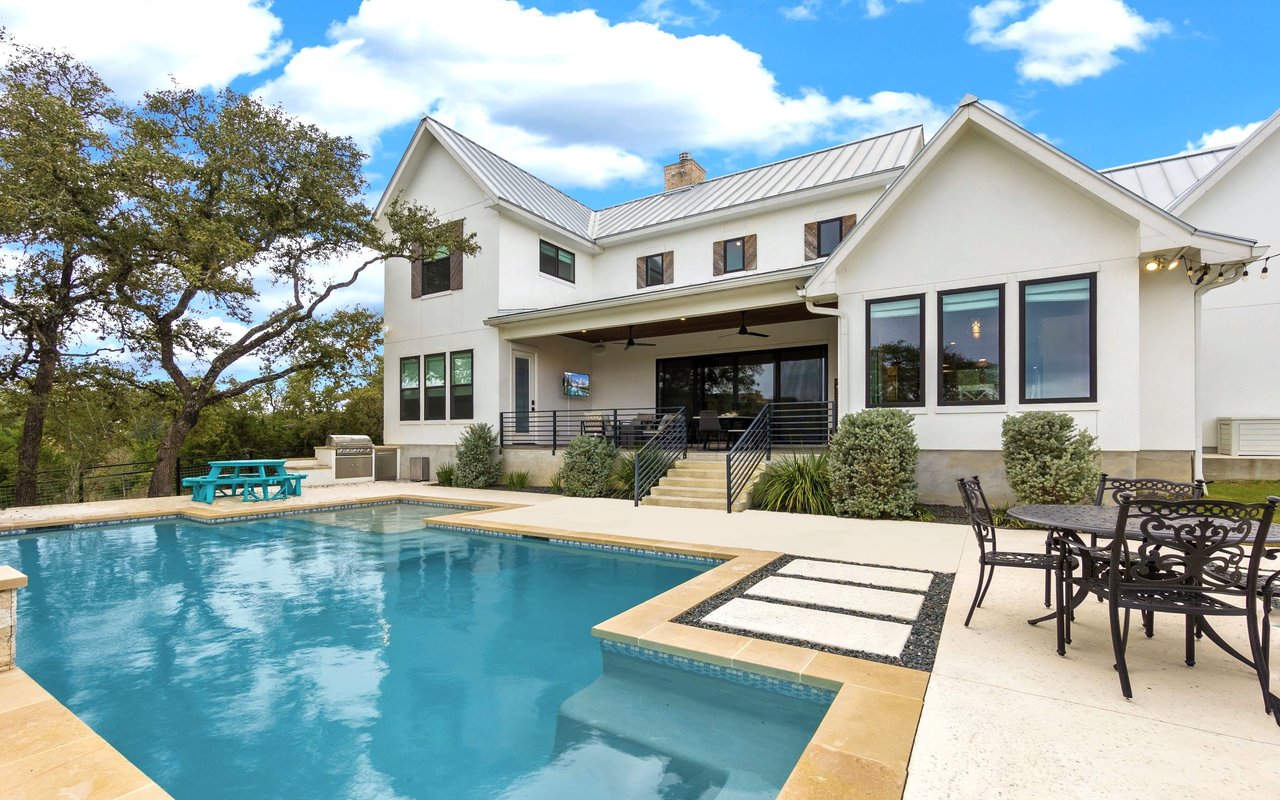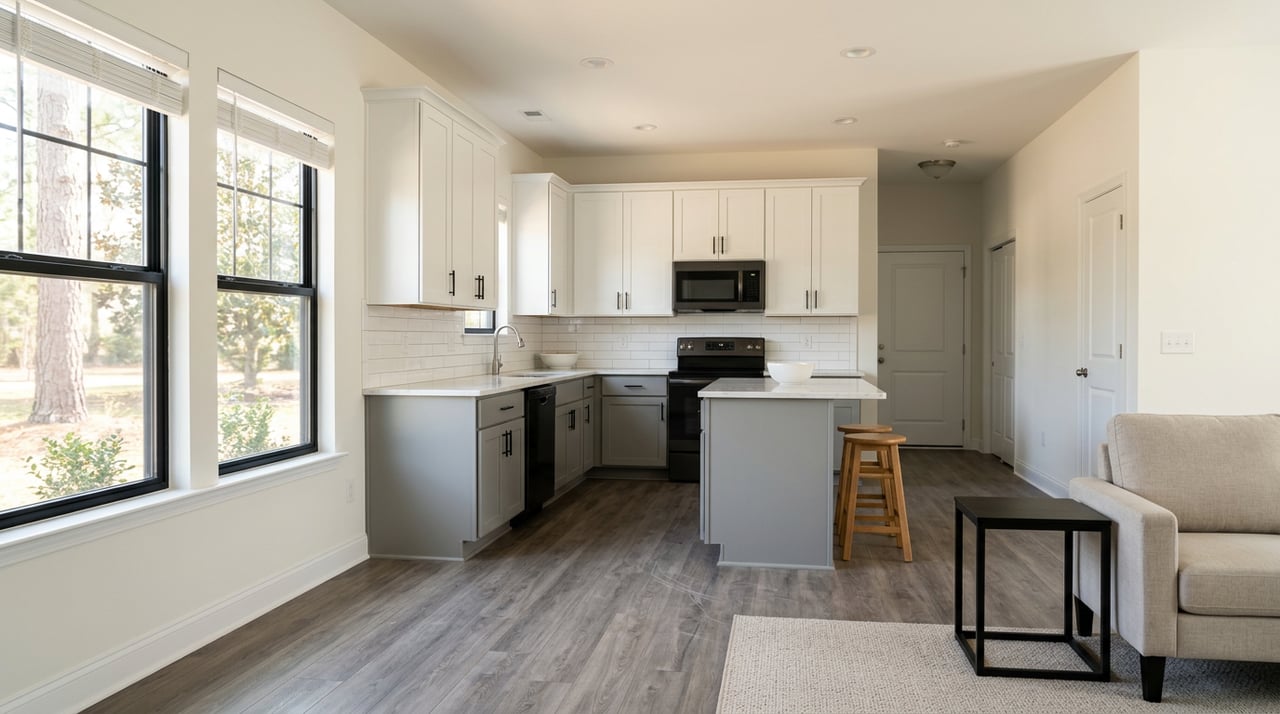
Thinking about building a new home in Raeford? You are not alone. Many buyers here want modern floor plans, energy-efficient systems, and a clean start. The process looks simple on paper, but contracts, permits, and financing work differently for new construction. In this guide, you will learn how Raeford’s local rules, North Carolina builder contracts, inspections, warranties, and VA/FHA/USDA loan paths all fit together so you can close on time and with confidence. Let’s dive in.
Raeford new-build landscape
New communities are active in Raeford and across Hoke County. You will find multiple production builders and local custom or infill builders working through different development phases. Activity shifts by season and by neighborhood, so it helps to watch local permit trends.
To see where building is hot, scan Hoke County’s monthly building permit reports. These reports show which builders are pulling permits and help you gauge local volume and timelines. You can review a recent example in the county’s records for building permits activity. Checking permit data early can set realistic expectations for your lot and build window. You can also confirm county fees and required inspections up front.
Permits, inspections, and CO in Hoke County
Hoke County sets the permit fees and inspection schedule for residential new construction. The county’s published permit fee schedule outlines the processing fee and the separate building, electrical, mechanical, and plumbing line items you should expect. Review these fees and factor them into your closing plan.
Most important, you cannot occupy a new home until the county issues a Certificate of Occupancy. The zoning ordinance makes CO issuance the formal end of local inspections and a key milestone for lenders, who often tie draws and closings to that step. Builders estimate completion dates, but only a passed final inspection and a CO make the home ready for occupancy.
- Plan your closing around the CO milestone, not just a target finish date.
- Ask your builder for the anticipated inspection schedule and how they coordinate with the county.
- Confirm any occupancy-dependent dates with the county inspections office before you sign.
You can review the county’s permit fee schedule for details and see the zoning ordinance language that addresses occupancy and CO requirements.
Builder contracts in North Carolina: what changes for you
New construction is not written on the same form as a typical resale. In North Carolina, brand-new, never-inhabited homes are often sold using the Offer to Purchase and Contract — New Construction (Form 800-T). This contract centers on construction milestones, allowances for options and upgrades, and builder warranty procedures. Expect different deadlines and addenda than you would see on an existing-home sale.
North Carolina’s Residential Property Disclosure Act exempts the first sale of a never-inhabited dwelling from the standard Residential Property and Owners’ Association Disclosure Statement. That exemption can be surprising, but it does not mean you receive no information. New-construction contracts often require specific disclosures, and warranty and HOA documents are usually provided for review. Read each attachment closely.
Deposits and escrow
Ask early where your earnest money or construction deposit will be held and when it becomes nonrefundable. In North Carolina, brokers and escrow agents must handle client funds in trust or escrow accounts under state rules. Practices vary by builder, so get the escrow agent’s name in writing and make sure the contract clearly states the conditions for refund or release.
Options, upgrades, and change orders
Builders price a base home, then offer options. There is usually a short selection window after you go under contract. Changes later often require written change orders and can add costs or time. Protect your budget by:
- Confirming the options deadline in the contract.
- Getting every upgrade and price in writing.
- Asking how change orders affect your completion date and closing.
Inspections and warranties on new homes
A brand-new home still needs independent inspections. Many buyers schedule three touchpoints with a third-party inspector who specializes in new construction:
- Pre-drywall inspection to catch framing, electrical, plumbing, and HVAC issues before walls are closed.
- Final inspection and punch list before closing.
- An 11-month inspection to document items before the builder warranty’s first-year coverage expires.
Independent, staged inspections help identify hidden issues and document repairs on a clear timeline.
Most builders provide a “1-2-10” style warranty. That usually means one year on workmanship and materials, two years on major systems like HVAC, plumbing, and electrical, and ten years on major structural defects. Coverage varies by provider. Ask for the full warranty manual, confirmation of any third-party administrator, and the claims process before you sign.
Financing new construction in Raeford
Financing a new build can follow different paths than a resale. Your choices and timelines shape your rate lock and closing date.
VA loans and one-time-close options
VA guarantees construction loans in both one-time-close and two-time-close formats. A VA one-time-close (construction-to-permanent) loan can lock in your permanent financing up front, but it requires extra documentation, builder approval, and inspections. Pay special attention to occupancy. VA generally expects you to occupy the property within a reasonable time after closing, which lenders often interpret as about 60 days, with documented exceptions for deployments or PCS-related delays. Discuss your orders and timing with your lender early and make sure they are comfortable with the plan in writing.
FHA one-time-close
FHA also supports a construction-to-permanent option. It comes with specific inspection and builder requirements, and not all lenders offer it. If you prefer FHA, ask lenders whether they support FHA OTC and what inspections or minimum warranties they require.
USDA in eligible areas
If the property is in an eligible rural area, USDA single-family programs may finance new construction. Eligibility is address-specific. Check the official USDA property eligibility tool for any lot you are considering and do it early in the process.
Rate locks and long build timelines
Construction schedules can stretch beyond standard rate-lock windows. Many construction-to-permanent programs offer extended locks, lock-and-build options, or float-down features. Ask each lender about their standard lock length, extension fees, and float-down terms, and get those policies in writing. Lenders who do OTC loans regularly can walk you through timing and costs.
PCS timing and contingency planning
Military families often have to match closing and occupancy to PCS report dates or a lease end. That puts schedule risk front and center. If delays happen, you could face temporary housing needs or dual housing costs. Plan your protections up front.
- Consider a military or PCS contingency that allows termination or date flexibility if verified orders change your timeline.
- Ask whether temporary or early occupancy is possible, or whether the builder will agree to a short rent-back. These are builder-specific and must be in writing.
- Coordinate VA occupancy timing with your lender if you anticipate deployment or delayed move-in.
- Build in inspection windows and choose a local inspector familiar with new construction.
Military-focused resources encourage buyers to negotiate flexible language and plan for housing if orders shift. Put your needs and dates on the table during contract talks so everyone is planning toward the same milestones.
Your Raeford Ready Mover checklist
Use this action list to stay on track from lot to CO to keys.
- Choose an agent with new-construction experience and, if you are military, with VA and PCS expertise.
- Verify your builder’s license with the North Carolina Licensing Board for General Contractors when the contract value meets state thresholds.
- Request the full warranty manual and identify any third-party structural warranty administrator. Confirm what is covered, how to file claims, and key deadlines.
- Confirm where your earnest money or construction deposit will be held, who the escrow agent is, and under what conditions funds are refundable or released. Get it in writing.
- Schedule three inspections: pre-drywall, final walkthrough, and an 11-month warranty inspection. Use those reports to document repairs and claims.
- Talk to lenders early about construction-to-permanent versus two-close financing, rate-lock length, extension costs, and float-down options. If using VA, FHA, or USDA, confirm builder approval and property eligibility.
- For military buyers, negotiate PCS-friendly contract language and confirm VA occupancy timing with your lender. Put your expected move-in window in the contract.
How to use local data to your advantage
A little local homework saves time and stress:
- Review Hoke County’s permit fee schedule so you know the cost framework and required inspections before you sign.
- Confirm with the builder how they will schedule county inspections and what they need from you ahead of the CO.
- Use recent county building permit reports to spot active builders and set realistic expectations for build pace in your target area.
- Plan your closing date around the CO requirement and lender funding schedule. The CO is a hard milestone.
Next steps
New construction in Raeford can be a smart move when you align permits, contract terms, inspections, and financing with your timeline. If you want a local guide who understands new builds, VA and USDA paths, and PCS timing, connect with Charlize Vega for a free consultation. You will get clear next steps, a tailored lender and inspector plan, and bilingual support in English or Spanish.
FAQs
What is the Certificate of Occupancy in Hoke County and why does it matter?
- The county issues a CO only after final inspections are passed, and you cannot legally occupy the home before it is issued; lenders also tie closings and funding to this milestone.
How are North Carolina builder contracts different from resale contracts?
- New construction often uses Form 800-T with construction milestones, options deadlines, and warranty terms that differ from resale timelines and disclosures.
Are new Raeford homes exempt from standard North Carolina seller disclosures?
- The first sale of a never-inhabited dwelling is exempt from the RPOADS form, but contracts typically include their own disclosures along with warranty and HOA information to review.
Do I still need inspections on a brand-new home?
- Yes. Independent pre-drywall, final, and 11-month inspections help catch hidden issues and document repairs before warranty periods expire.
What kind of builder warranty should I expect on a new home?
- Many builders offer a 1-2-10 warranty structure that covers workmanship for one year, major systems for two years, and structural defects for ten years, but you should read the specific manual.
Who holds my earnest money or construction deposit on a new build?
- Funds are typically held in a broker trust or attorney/title escrow account per North Carolina practice; confirm the escrow agent and refund conditions in writing before you sign.
Can I use a VA loan for new construction in Raeford?
- Yes. VA supports construction loans, including one-time-close options, but they require more documentation, builder approval, and attention to occupancy timing with your lender.
Hoke County permit fee schedule
Hoke County zoning ordinance and CO requirement
Recent Hoke County building permits example
NC Form 800-T sample
RPOADS exemption statute
Broker trust and escrow practices
New construction inspections overview
1-2-10 builder warranty overview
VA construction loans and requirements
VA occupancy guidance reference
FHA one-time-close basics
USDA property eligibility tool
Construction rate-lock and OTC context
Military housing and PCS planning
Verify a NC general contractor license