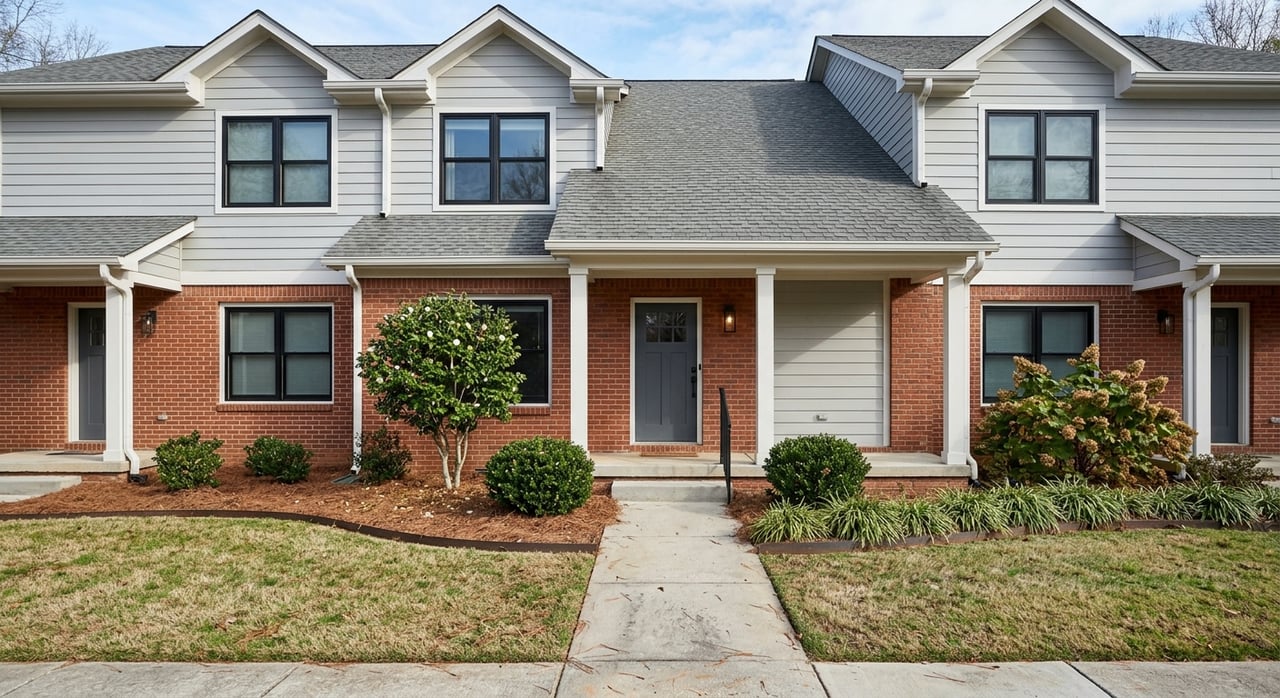
Wondering if a Cary townhome is a smart first investment? You are not alone. In a market where prices are high and available land is limited, many buyers are looking for a practical way to get into Cary without stretching too far. This guide will help you weigh the price, location, HOA rules, and long-term value so you can make a confident decision. Let’s dive in.
Why Cary Gets Investor Attention
Cary has several traits that make buyers pay attention. The Town reports a population of about 192,000, median household income of $135,132, and median home value of $649,000. It also says less than 14% of developable land remains, which points to a market with limited room to expand.
The local economy also adds support. Cary reported 1,275 jobs added in 2025 and a 3.3% unemployment rate as of November 30, 2025. For a first investment, that kind of job and income base matters because housing demand tends to be stronger in places with steady employment and limited supply.
Why a Townhome Can Be a Lower-Cost Entry
If you want to buy in Cary, price is often the first hurdle. Current market data in the research report shows Cary townhouses listed at a median price of $466,000, while the median sale price for all Cary home types is $605,000. That does not make townhomes cheap, but it does suggest they can offer a more accessible entry point than detached homes.
That price gap matters for first-time investors. A lower purchase price may help you keep more flexibility in your monthly budget, reserves, and future repair planning. In a premium market like Cary, that can be a meaningful advantage.
Cary’s housing plan also notes that the town has the highest median home price in the Triangle. It adds that demand near downtown has pushed some formerly affordable areas toward higher-income redevelopment. In that setting, a smaller home with lower upkeep can be appealing to buyers who want Cary access without the full cost of a detached property.
What Makes Townhomes Practical
A townhome can work well as a first investment because it often simplifies day-to-day ownership. In many North Carolina planned communities, the association maintains common elements, while the lot owner remains responsible for the lot and improvements unless the declaration says otherwise. That can reduce some exterior maintenance burden compared with owning a detached home.
Still, you should not assume every community handles maintenance the same way. North Carolina law makes the declaration, bylaws, and articles of incorporation the controlling documents for the community. In plain terms, what the HOA covers depends on the specific documents for that townhome community.
That means one community may handle certain exterior tasks, while another may leave more responsibility with the owner. Before you buy, you need to know exactly where your obligations begin and end. That is especially important if your goal is to keep ownership simple and predictable.
Why Cary Location Matters So Much
In Cary, location can shape demand just as much as price. The Town says Cary sits in the heart of the Research Triangle with access to major highways, Raleigh-Durham International Airport, and Amtrak. It also has more than 100 miles of greenways connecting parks, neighborhoods, schools, shopping centers, and businesses.
The Town also highlights a walkable downtown and a broad parks and recreation network. Those features can make certain townhome locations more appealing to buyers who want convenience, connectivity, and easier access to daily amenities. If you are buying your first investment, that broad appeal is worth paying attention to.
Long-term planning matters too. Cary’s Downtown Cary Multi-Modal Center project is designed to support local and regional bus service, Bus Rapid Transit, future commuter rail, and Amtrak service. Cary’s housing plan also says housing near transit is a priority, which makes access to downtown, transit routes, parks, and major job corridors an important part of the investment conversation.
HOA Costs Can Change the Math
A townhome may have a lower entry price than a detached home, but the list price is only part of the story. HOA dues, special assessments, and community rules all affect your real carrying cost. If you ignore those items, you may overestimate how affordable the property really is.
North Carolina law gives HOA assessments real enforcement power. Under the Planned Community Act, unpaid assessments can become a lien after 30 days, and the association may foreclose after 90 days if the required legal process is followed. That is why dues are not a side issue. They are a core part of your financial risk.
You should also understand the community’s financial health before you buy. The same law says financial and other records must be reasonably available to owners, and the association must provide a statement of unpaid assessments within 10 business days after a written request. Reviewing those details can help you spot red flags before closing.
What to Review Before You Buy
If you are thinking about a Cary townhome as your first investment, slow down and review the details carefully. A smart decision usually comes from reading the documents, not just admiring the floor plan.
Here are a few items worth checking closely:
- Current HOA dues
- Recent or pending special assessments
- What maintenance the HOA covers
- What maintenance stays with the owner
- Rules that could affect your use of the property
- Any unpaid assessments tied to the property
- Association financial records and overall stability
These items help you understand the all-in cost of ownership. In an expensive market like Cary, that bigger picture matters more than the sticker price alone.
Disclosure Rules Matter in North Carolina
North Carolina also gives buyers important disclosure protections. Under the Residential Property Disclosure Act, the seller must deliver disclosure statements no later than the time you make an offer. If those statements were not delivered on time, you may have the right to cancel.
That timing matters because it gives you key property information early in the process. It also supports a more informed decision before you move too far into the transaction. For a townhome purchase, known issues, HOA fees, and community restrictions are not small details.
The North Carolina Real Estate Commission defines a material fact as anything that could affect a reasonable person’s decision to buy, sell, or lease real property. That means HOA rules, fees, and known property concerns can directly affect whether the investment makes sense for you. If something would change your decision, it deserves close attention.
When a Cary Townhome Makes Sense
A Cary townhome can be a smart first investment if you want a lower-cost entry into a high-demand market. It may also make sense if you value access to jobs, major roads, downtown amenities, greenways, and future transit improvements. For many buyers, that combination creates a practical starting point.
It can also be a good fit if you are comfortable with HOA rules and monthly dues in exchange for some shared maintenance structure. For a first-time investor, that tradeoff may feel worthwhile if it helps reduce some hands-on upkeep. The key is making sure the community rules match your expectations.
When It May Not Be the Right Fit
A Cary townhome may be less appealing if you want maximum control over the property. If you dislike HOA oversight, prefer fewer monthly non-mortgage costs, or want complete authority over exterior decisions, a townhome may feel limiting. That does not make it a bad investment. It just may not be the right one for your goals.
It may also be less compelling if the community’s dues or assessment history create too much uncertainty. In a supply-constrained market, it is easy to focus on getting in. But a first investment should still feel sustainable after the excitement of the purchase wears off.
The Bottom Line on Cary Townhomes
For many buyers, the answer is yes, a Cary townhome can be a smart first investment. The lower median townhome list price compared with Cary’s overall home prices, combined with strong local job growth, limited developable land, and strong location fundamentals, creates a reasonable case for attached housing in this market.
Still, the smartest purchase is not always the cheapest one on paper. You need to weigh the full monthly cost, the HOA documents, the maintenance split, and the location within Cary. If you do that homework well, a townhome can be a practical and strategic first step into a competitive market.
If you want help thinking through your first investment purchase with clear, hands-on guidance, reach out to Charlize Vega. She brings a client-first approach, practical market insight, and steady support to help you make a smart move.
FAQs
Is a Cary townhome cheaper than a detached home?
- Based on the research report, Cary townhouses had a median listing price of $466,000, compared with a median sale price of $605,000 for all Cary home types, so a townhome can offer a lower-cost entry point.
What does an HOA usually cover for a Cary townhome?
- In North Carolina planned communities, the association maintains common elements, while the lot owner is generally responsible for the lot and improvements unless the declaration says otherwise.
Why does location matter for a Cary townhome investment?
- Cary offers access to major highways, Raleigh-Durham International Airport, Amtrak, downtown amenities, parks, greenways, and planned transit improvements, which can support buyer demand in well-located communities.
Can unpaid HOA dues affect a Cary townhome owner?
- Yes. Under North Carolina law, unpaid assessments can become a lien after 30 days, and the association may foreclose after 90 days if it follows the required process.
What documents should you review before buying a Cary townhome?
- You should review the declaration, bylaws, articles of incorporation, dues, assessment history, maintenance responsibilities, and available association financial records so you understand the full cost and rules of ownership.
Are seller disclosures required for a Cary townhome purchase?
- Yes. North Carolina’s Residential Property Disclosure Act requires the seller to deliver disclosure statements no later than the time you make an offer, and you may have cancellation rights if they were not delivered on time.